
Mount Kilimanjaro, located in Tanzania, stands at 5,895 meters (19,341 feet), making it the highest peak on the African continent.
The Serengeti National Park hosts the annual Great Migration, where millions of wildebeest, zebras, and gazelles traverse its plains in search of fresh grazing grounds.
Lake Manyara National Park is renowned for its population of lions that have adapted to climbing trees—a rare behavior among these big cats.
Tanzania is a land of remarkable diversity, offering travelers a rich tapestry of experiences that blend natural wonders with cultural depth.The country’s commitment to conservation is evident through its numerous national parks and protected areas, covering vast expanses of land. Tanzania’s landscapes are as diverse as its wildlife, featuring dense rainforests, expansive savannas, towering mountains, and pristine beaches. The country’s unspoiled beauty blends seamlessly with rural communities, vibrant traditions, and extraordinary wildlife encounters, offering a once-in-a-lifetime safari experience.
Beyond its natural allure, Tanzania is a mosaic of cultures, with over 120 distinct ethnic groups coexisting harmoniously. This cultural diversity is reflected in the country’s music, dance, art, and daily life, providing visitors with enriching experiences and insights into traditional African lifestyles.
For the adventurous, Tanzania offers numerous opportunities, from scaling Mount Kilimanjaro—the highest peak in Africa—to exploring the vast plains of the Serengeti. The country’s varied terrains cater to hikers, climbers, and safari enthusiasts alike, ensuring that every traveler finds their own unique adventure.
The Tanzanian coastline, along with the Zanzibar Archipelago, boasts some of the world’s most idyllic beaches. Crystal-clear waters, vibrant coral reefs, and a rich history as a center of the spice trade make these coastal regions perfect for relaxation, snorkeling, diving, and cultural exploration.
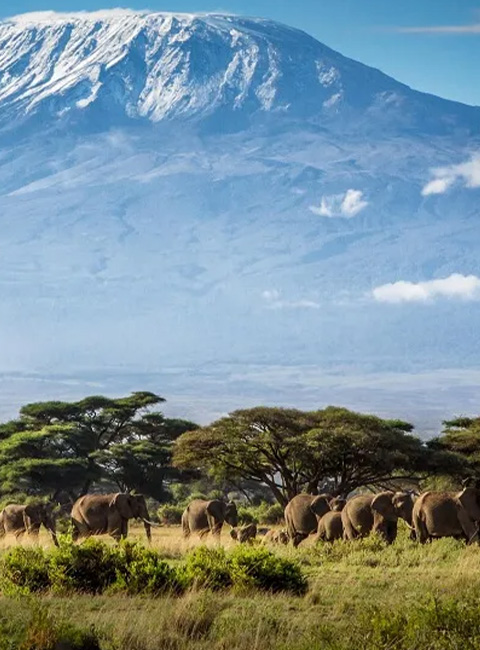
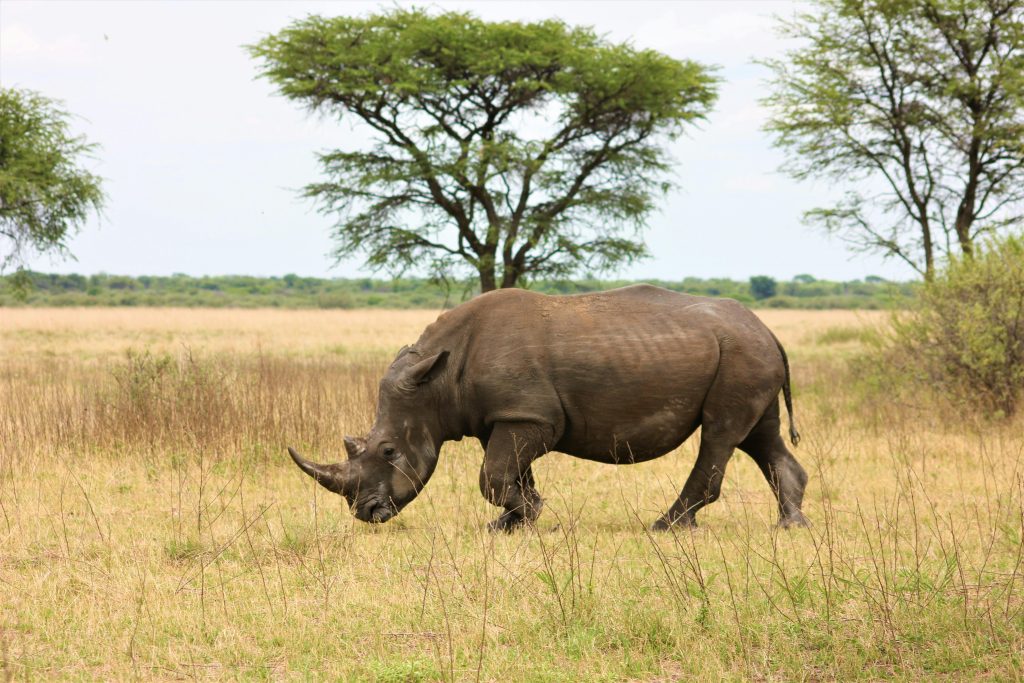
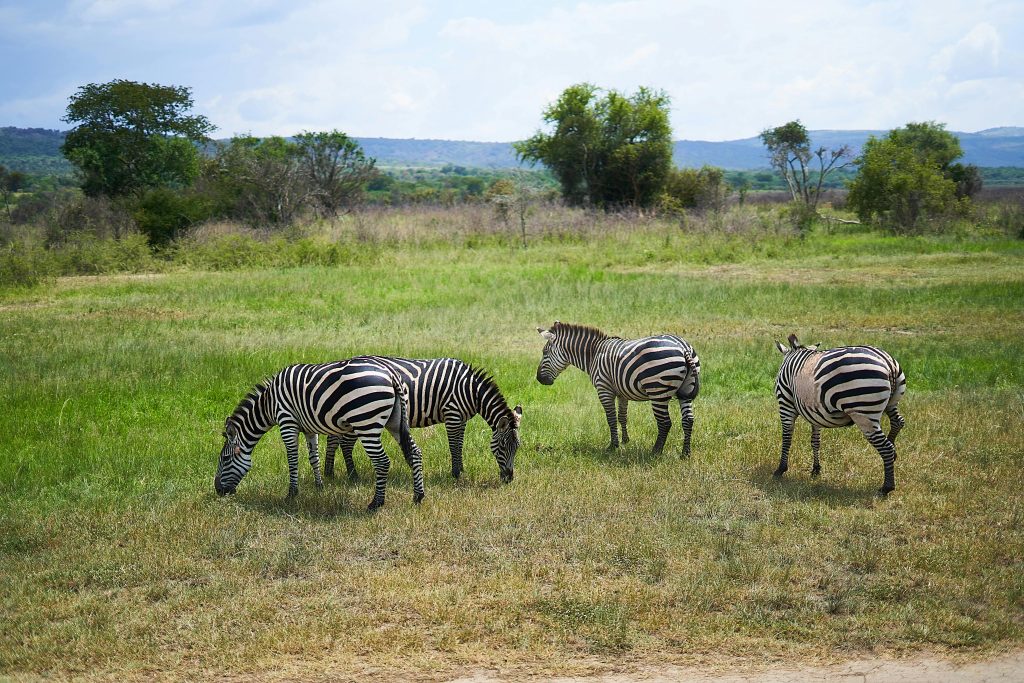
Tanzania offers a rich tapestry of experiences beyond its renowned safaris. Adventure seekers can embark on a trek up Mount Kilimanjaro, Africa’s highest peak, traversing diverse ecosystems from lush rainforests to alpine deserts. For those inclined towards aquatic adventures, the crystal-clear waters surrounding Zanzibar provide exceptional diving and snorkeling opportunities, revealing vibrant coral reefs and abundant marine life. Additionally, a hot air balloon safari over the Serengeti offers a unique perspective of the vast plains and wildlife
Cultural enthusiasts will find Stone Town in Zanzibar captivating, with its labyrinthine streets reflecting a rich blend of African, Arab, and European influences. Exploring this UNESCO World Heritage site offers insights into the island’s complex history and architecture. Engaging with the Maasai communities provides an authentic experience of traditional customs and lifestyles, enriching one’s understanding of Tanzania’s diverse cultural landscape.
Nature lovers can venture into the Usambara Mountains, ideal for trekking amidst lush landscapes and diverse flora and fauna. The region’s cooler climate and scenic trails make it perfect for hiking and birdwatching. Alternatively, visiting local markets in cities like Dar es Salaam and Arusha offers a sensory feast of sights, sounds, and flavors, providing a glimpse into daily Tanzanian life. These experiences, among others, ensure that every traveler can find activities that resonate with their interests, making Tanzania a destination rich in adventure, culture, and natural beauty.
Most visitors to Tanzania will need a visa, except for citizens from some Commonwealth countries (such as Canada and the UK), Scandinavian countries, the Republic of Ireland, Rwanda, and Sudan. These exempted travelers can obtain a free visitor’s pass, valid for one to three months, upon arrival. However, travelers should be prepared to show proof of yellow fever vaccination if entering Zanzibar or if coming from a yellow fever-endemic region.
Tanzania presents several health risks, including malaria, yellow fever, cholera, hepatitis, typhoid, and tsetse fly bites. Visitors are strongly advised to take anti-malaria medication starting two weeks before their trip. It is also essential to carry mosquito repellent, especially in safari parks and lower altitudes. Additionally, visitors from East African countries must present proof of yellow fever vaccination. HIV/AIDS is a concern, though less prevalent than in some neighboring countries.
Tanzania’s diverse landscapes range from lush tropical forests along the coast to savannah and bush in the interior. Forests and woodlands cover about 37% of the country, while arable land comprises 16%. The coastal regions, including Zanzibar, experience hot and humid conditions, with temperatures averaging around 30°C. The hottest months are from October to March, while June to September offers cooler temperatures. In the Kilimanjaro area, temperatures vary from 15°C during May to August to 22°C from December to March. The central plateau is arid with hot days and cool nights, while highland areas are temperate.
The official currency of Tanzania is the Tanzanian shilling (TZS), but US dollars are also widely accepted, especially in tourist areas. It is important to note that only US dollar notes printed after 2013 are generally accepted, and those printed before 2009 may be rejected. Currency exchanges should be conducted at authorized locations, and receipts should be kept. Be cautious of card cloning at ATMs, particularly those not located inside bank premises. Inform your bank before and after your trip to monitor for fraudulent transactions. Visa is the most commonly accepted card, though transactions may incur a surcharge.
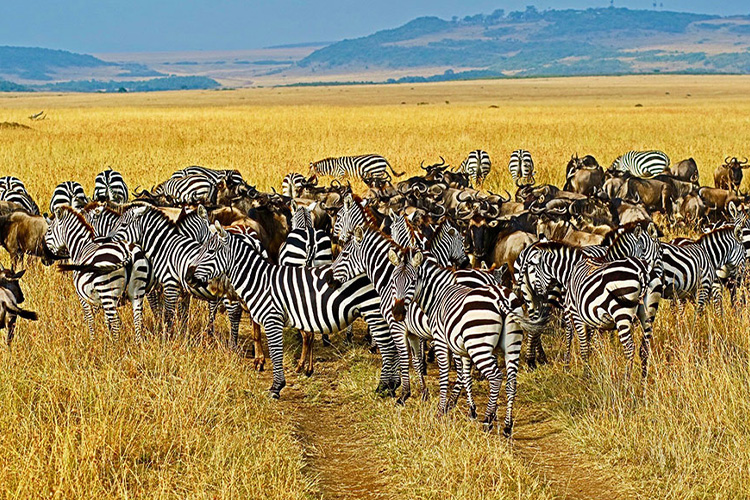
This 3 Days Tanzania Wildlife Safari is the best short budget safari in Tanzania for those who have less time and are interested in exploring Tanzania. It included visiting three national parks of Tanzania
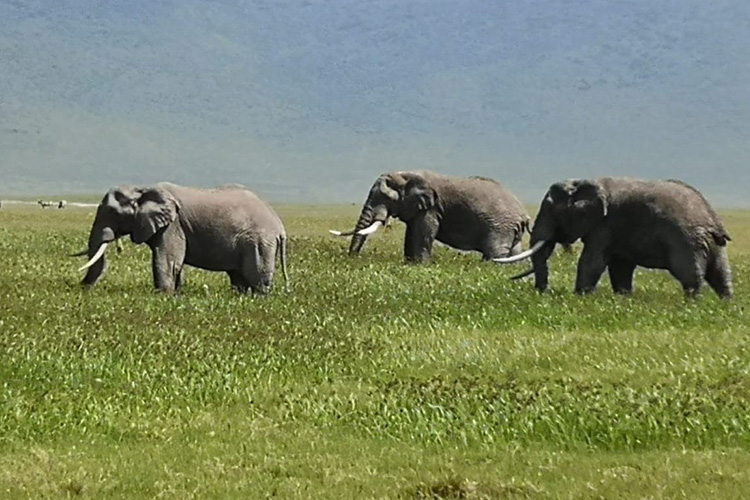
This safari takes you through some of Tanzania’s most iconic wildlife destinations: Lake Manyara, the Ngorongoro Crater, and Tarangire National Park.
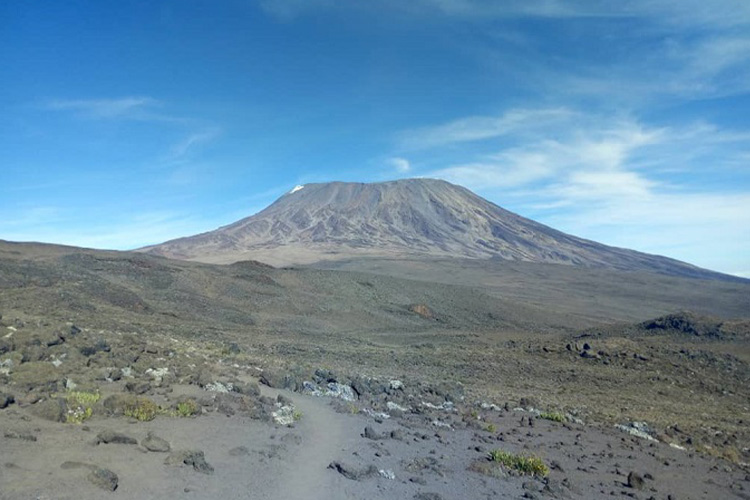
6-day adventure up Mount Kilimanjaro via the Marangu Route, a scenic journey that takes you through diverse landscapes, from lush rainforests to alpine deserts, all the way to Africa's highest peak.
Yes, most travelers require a visa to enter Tanzania. While it's possible to obtain a visa upon arrival at entry points, it is highly recommended to secure one before traveling to Tanzania.
Travelers arriving from countries where Yellow Fever is endemic must present a valid Yellow Fever vaccination certificate. It's also advisable to consult with a healthcare provider about other recommended vaccinations and health precautions before your trip.
Tanzania is generally considered a safe and hassle-free country to visit. However, it's advisable for visitors to take precautions and follow government travel advisories to avoid any untoward incidents while traveling.
The official currency of Tanzania is the Tanzanian Shilling (TZS). While major hotels and lodges accept credit cards, it's advisable to carry cash, especially when traveling to remote areas where card facilities may be limited.
Yes, it's important to dress modestly, especially in rural areas and Zanzibar, where conservative dress is appreciated. Additionally, seeking permission before photographing locals and being respectful of cultural practices is advisable.
Tanzania offers diverse climates and experiences year-round. The ideal time to climb Mount Kilimanjaro is during the two main climbing seasons: January to March and June to October.
Tanzania offers various transportation options, including domestic flights, buses, and taxis. For safaris, organized tours typically provide 4x4 vehicles. In urban areas, ride-sharing services and local minibuses, known as "dala-dalas," are common
Consider spending no less than seven days to explore and enjoy a Tanzanian safari, with the country's northern circuit home to the main and most famous safari parks.
It's recommended to use soft-sided luggage while on safari. Most airlines allow up to 48-50 lbs. per checked bag, but policies may vary depending on the airline.
Tanzania has two rainy seasons, with the so-called ‘long rains’ from the end of March to May and the ‘short rains’ from late October/early November through to mid-December.
By addressing these common questions, travelers can better prepare for a memorable and safe journey to Kenya.
Chat Now
