
Uganda hosts more than half of the world's estimated 1,063 remaining mountain gorillas (as of the last census).
Uganda is home to 330+ mammal species, including the Big Five: lions, leopards, elephants, buffaloes, and rhinos.
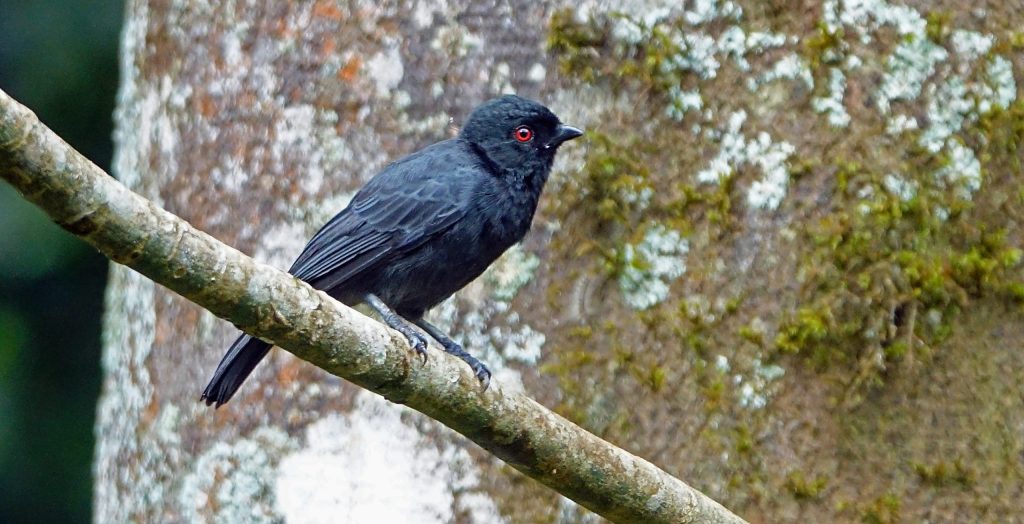
Uganda is a top birding destination with over 1,070 bird species, making up about 50% of Africa’s bird species and 11% of the world’s total.
Uganda is the starting point of the world’s longest river, the Nile. Safari-goers can enjoy thrilling activities such as boat cruises along the river in Murchison Falls National Park
Uganda, fondly known as the “Pearl of Africa,” is a breathtaking destination rich in natural beauty, diverse wildlife, and vibrant cultures. Located in East Africa, Uganda boasts stunning landscapes, from lush rainforests and vast savannahs to the snow-capped Rwenzori Mountains and the mighty River Nile. The country is home to some of the world’s most famous wildlife experiences, including gorilla trekking in Bwindi Impenetrable Forest and chimpanzee tracking in Kibale National Park. Uganda’s national parks, such as Queen Elizabeth and Murchison Falls, offer incredible safaris with opportunities to see the Big Five.
Uganda is a land of breathtaking contrasts, where vast grasslands, rolling hills, and lush tropical plains create a stunning natural paradise. This landlocked country is a premier wildlife safari destination, home to over 52 indigenous tribes, known for their warm hospitality and rich cultural heritage.
From the mighty African elephants to the striking zebras, and an astonishing variety of bird species, Uganda is a true wonderland for nature lovers. The country’s numerous national parks and wildlife reserves offer an unmatched safari experience, making it a natural choice for enthusiasts seeking an up-close encounter with mountain gorillas, chimpanzees, and other primates.
Uganda’s landscapes are just as diverse as its wildlife, featuring dense rainforests, deep rift valleys, towering mountains, and extinct volcanoes. The country is also home to mesmerizing crater lakes and rolling green hills, creating some of the most picturesque scenery in Africa. Uganda’s unspoiled beauty blends seamlessly with rural communities, vibrant traditions, and extraordinary wildlife encounters, offering a once-in-a-lifetime safari experience.
If you seek authenticity, adventure, and breathtaking nature, Uganda—The Pearl of Africa—is the perfect destination. Here, the ultimate wildlife experience awaits, with the mighty mountain gorillas reigning as the crown jewel of Uganda’s natural treasures.
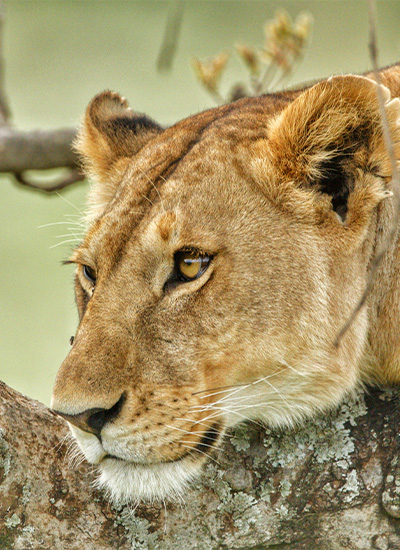
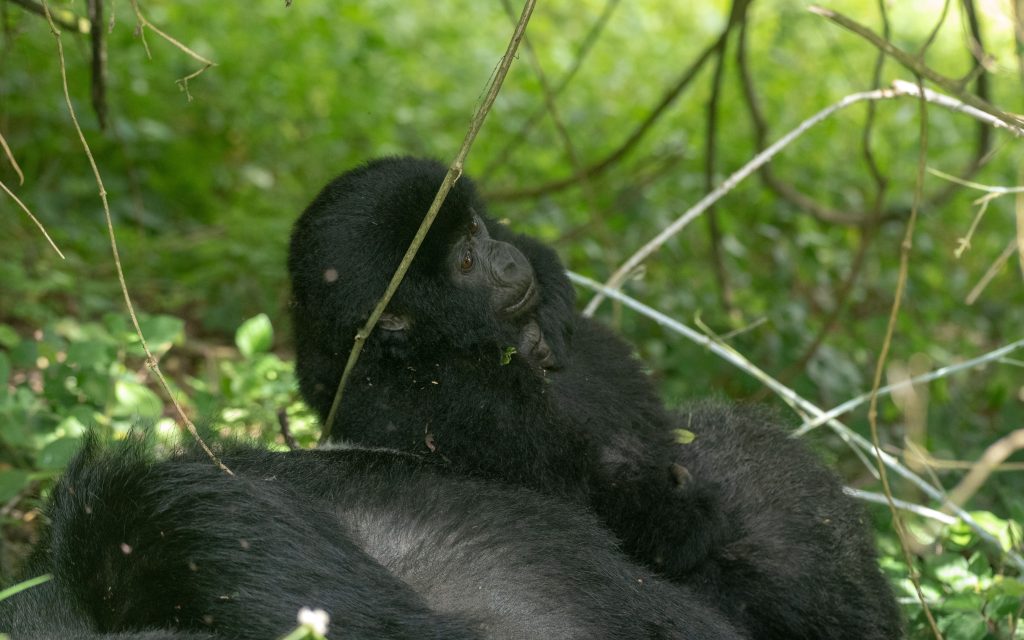
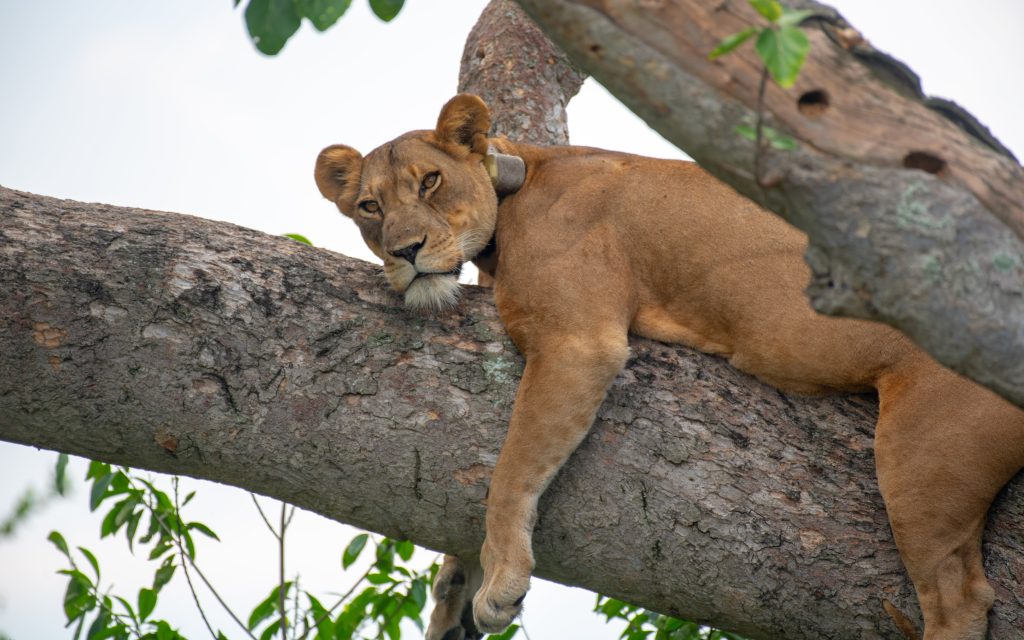
Uganda, the Pearl of Africa, offers an incredible range of activities for every traveler. Wildlife enthusiasts can embark on gorilla trekking in Bwindi Impenetrable National Park or Mgahinga Gorilla National Park, coming face-to-face with the endangered mountain gorillas in their misty forest habitat. For primate lovers, chimpanzee tracking in Kibale Forest, Budongo Forest, and Kyambura Gorge provides a chance to observe these intelligent creatures in the wild.
Those seeking the Big Five safari experience can enjoy thrilling game drives in Murchison Falls National Park, Queen Elizabeth National Park, and Kidepo Valley National Park, where lions, elephants, buffalos, leopards, and rhinos roam freely. Uganda’s diverse landscapes also make it a paradise for birdwatchers, with over 1,080 bird species, including the rare shoebill stork found in Mabamba Swamp. Meanwhile, boat safaris along the Kazinga Channel and the Victoria Nile offer breathtaking encounters with hippos, crocodiles, and an array of aquatic wildlife, with the iconic Murchison Falls providing a spectacular sight.
Beyond wildlife, Uganda is an adventure seeker’s dream, offering white-water rafting, kayaking, and bungee jumping on the mighty River Nile in Jinja, the adventure capital of East Africa. Hikers and climbers can challenge themselves with treks up the snow-capped Rwenzori Mountains, Mount Elgon, or the Virunga Volcanoes in Mgahinga National Park, rewarding them with panoramic views and unique alpine vegetation.
Cultural experiences also abound, with over 52 tribes showcasing rich traditions and history. Visitors can engage with the Batwa pygmies in Bwindi, the Karamojong warriors in the northeast, or the vibrant Baganda culture in Kampala. For a more relaxed experience, Uganda’s scenic lakes and islands, including Lake Bunyonyi, Lake Mutanda, and Ssese Islands, offer perfect retreats with boat rides, island hopping, and breathtaking sunsets. City explorers can dive into Uganda’s history by visiting the Uganda Museum, Kasubi Tombs, Namugongo Martyrs Shrine, and the lively streets of Kampala. With such an array of activities, Uganda is a destination that promises an unforgettable blend of wildlife, adventure, culture, and relaxation.
Uganda’s official currency is the Ugandan Shilling (UGX), available in denominations from 1,000 to 50,000 UGX. However, the US Dollar (USD) dominates the tourism sector, with most hotels and travel agencies accepting only USD notes printed from 2009 onward.
As a rough guide, $1 ≈ 3,700 UGX and £1 ≈ 5,000 UGX. While tourist lodges accept US dollars, you’ll need Ugandan Shillings for local purchases like souvenirs and snacks. Exchanging $50 and $100 notes in Entebbe upon arrival offers the best rates. Credit cards (Visa & MasterCard) are increasingly accepted, but it’s advisable to confirm with your lodge in advance.
Before traveling to Uganda, visit a travel clinic or doctor for recommended vaccinations. The CDC Traveler Health page provides useful guidance.
Uganda is generally peaceful and safe for tourists, with crime mostly limited to petty theft. Keep your money secure and use hotel safes when available. Check your government’s Travel Advisory Page for Uganda for the latest updates, and reach out to us for clarification on any concerns.
Located on the Equator, Uganda experiences a tropical climate with distinct wet and dry seasons:
Rain rarely disrupts travel and often enhances scenic beauty. Uganda remains a fantastic destination year-round.
Ugandan cuisine features staple starches like matoke (plantain), maize flour, cassava, and potatoes, served with beans, vegetables, and meats (chicken, beef, goat, or fish). Lodges and restaurants offer a mix of local and international dishes.
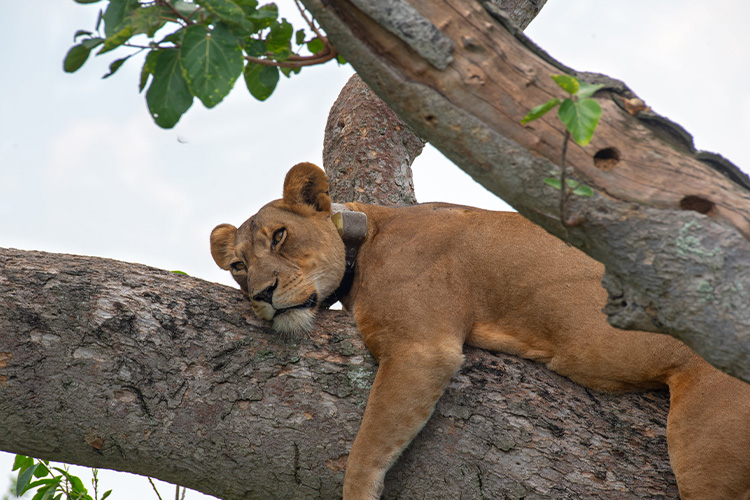
This 3-day safari will take you to Queen Elizabeth National Park, Uganda’s most visited national park.
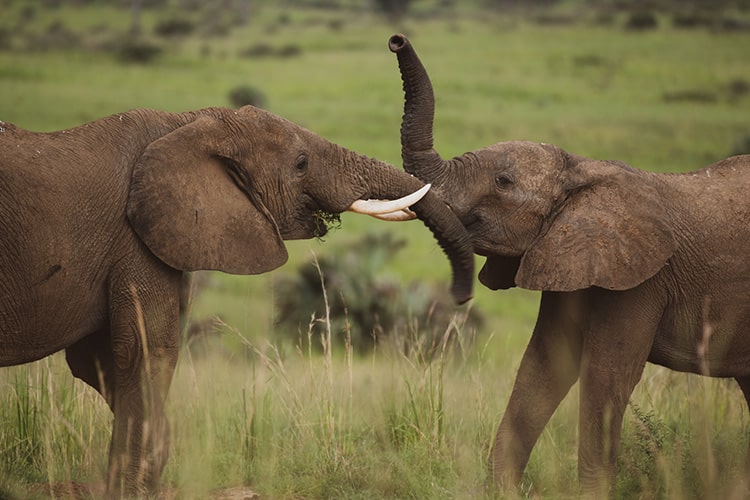
The 3 Days Murchison Falls Wildlife Safari is one of Uganda’s top safari experiences.

With only about 1,000 mountain gorillas left in the world, encountering these majestic creatures during your Uganda

The 5 Days Uganda Birding Safari is a perfect adventure for bird enthusiasts, offering opportunities to explore Uganda's top birding destinations.
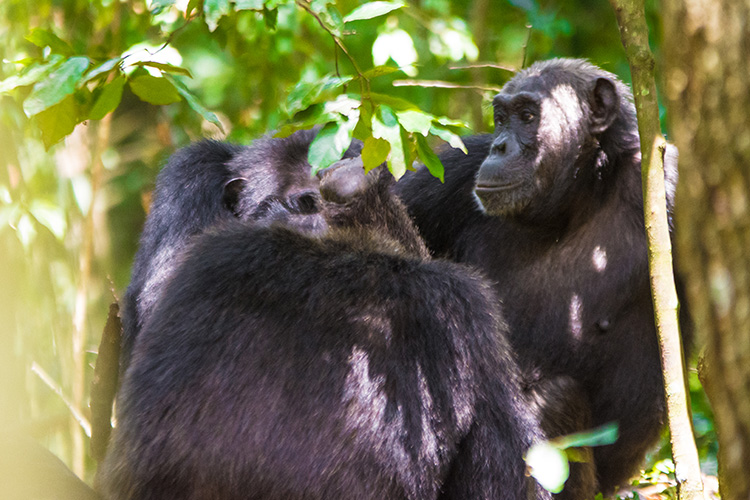
This fascinating adventure that starts and ends in Kampala. The safari will take you to the three destinations in Uganda
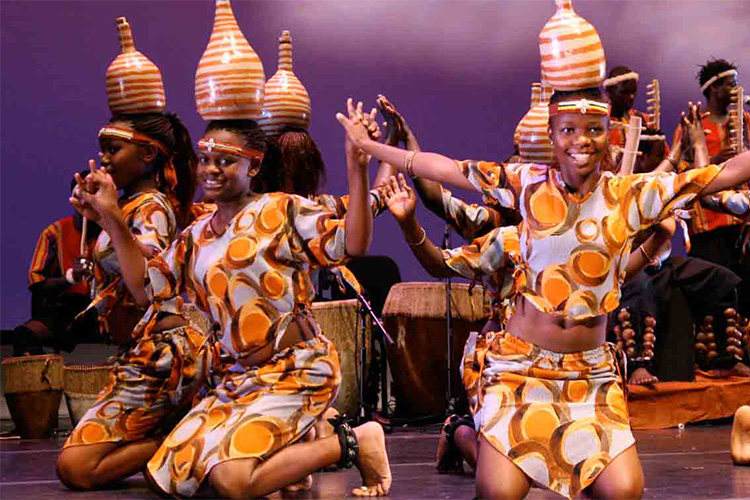
The 8 Days Uganda Cultural Tour is a comprehensive 7-night/8-day journey that offers an immersive experience into Uganda's rich cultural diversity

This 11 Days Uganda safari adventure or Uganda wildlife tour with gorilla trekking in Bwindi Impenetrable forest National park, chimpanzee tracking in Kibale Forest National Park, great memorable boat ride on the Kazinga channel

14 Days Uganda Wildlife safari takes you through some of Uganda’s national parks for example Uganda’s biggest national park (Murchison falls national park) for wildlife spotting and a memorable boat ride on the Victoria Nile

Embark on an exciting 16-day adventure safari in Uganda, where you will explore the country’s top tourist destinations and engage in unforgettable experiences. discovering the source of the Nile in Jinja, interacting with pygmy communities...
Yes, most travelers require a visa to enter Uganda. Nationals of most countries can apply for an e-visa online through the Uganda Immigration website, which is the easiest and fastest option. In some cases, travelers can obtain a visa upon arrival at the airport or at land border points, but it is advisable to check the specific requirements for your country before departure. You will need to provide a passport that is valid for at least six months from the date of entry, along with any other required documentation.
The best time to visit Uganda is during the dry seasons, from June to September and December to February. These months offer optimal conditions for wildlife safaris, hiking, and gorilla trekking as the weather is drier and the trails are less muddy. However, Uganda is a year-round destination, and even during the rainy seasons (March-May and October-November), it’s possible to visit, though you might experience more rainfall, which could make travel and certain activities more challenging.
Before traveling to Uganda, it is strongly recommended to get vaccinations for yellow fever, which is required for entry into the country. Additionally, vaccinations for hepatitis A and B, typhoid, polio, and cholera are suggested, especially for travelers who will be visiting rural or remote areas. Malaria is common in Uganda, so anti-malarial medication is advised, and taking precautions against mosquito bites (such as using insect repellent and sleeping under nets) is recommended. Always consult with a travel health clinic or your doctor to ensure you have the necessary vaccinations and medications based on your travel plans.
The official currency of Uganda is the Ugandan Shilling (UGX). However, US dollars are widely accepted in tourist areas, hotels, and some shops, particularly in the major cities. When exchanging money, be sure to use a licensed exchange bureau or withdraw cash from ATMs, which are available in most urban areas. Credit and debit cards are accepted at some larger hotels, restaurants, and retail shops, but it’s always a good idea to carry some cash, especially if you plan to visit more remote areas or local markets where card payments may not be accepted.
Yes, it is highly advisable to purchase travel insurance before visiting Uganda. Insurance can cover a range of situations, including medical emergencies, trip cancellations, lost luggage, and unforeseen disruptions. Medical care in Uganda can be limited in remote areas, so having travel insurance that covers medical evacuation to a better-equipped hospital can be crucial. You should also ensure that your insurance covers activities like gorilla trekking or any adventure sports you may plan to engage in.
Getting around Uganda is fairly easy, but the quality of infrastructure varies. In major cities like Kampala, you can travel by taxi, boda-boda (motorcycle taxis), or tuk-tuk. These are affordable options, but safety can sometimes be a concern, so it’s important to use reputable providers. For longer distances between cities or tourist destinations, you can take a bus, private hire car, or domestic flight. If you prefer more comfort and flexibility, private car hires or guided tours are available for safaris and excursions. For those traveling to remote areas, a four-wheel-drive vehicle is often recommended due to the condition of the roads.
Uganda is considered relatively safe for tourists, especially in major cities and popular tourist spots. However, as with traveling in any foreign country, it is important to stay vigilant. Petty theft, such as pickpocketing, can occur in crowded areas, so it’s wise to keep your belongings secure. Avoid walking alone in poorly lit areas at night, and always follow the guidance of local authorities and your tour guides. Additionally, when trekking or going on safaris, it’s best to follow safety instructions carefully. The Uganda Wildlife Authority ensures that tourism activities, such as gorilla trekking, are conducted in a safe manner with trained rangers.
Chat Now
